
Window coverings often feel like a finishing touch, but they play a much bigger role in how a home looks and functions. Many homeowners focus on paint colors or furniture while overlooking the benefits of window blinds. In reality, blinds influence light, privacy, comfort, and even energy use every single day. Understanding their value helps you make smarter design decisions that last.
This guide explores the real purpose of blinds in windows and explains why they remain one of the most practical choices for modern homes. From style to performance, the advantages of blinds go far beyond basic window coverage.
Understanding the Purpose of Blinds in Windows
Before comparing styles or materials, it helps to understand the core purpose of blinds in windows. Blinds are designed to control natural light, protect privacy, and enhance interior comfort. Unlike fixed coverings, they give you flexibility throughout the day.
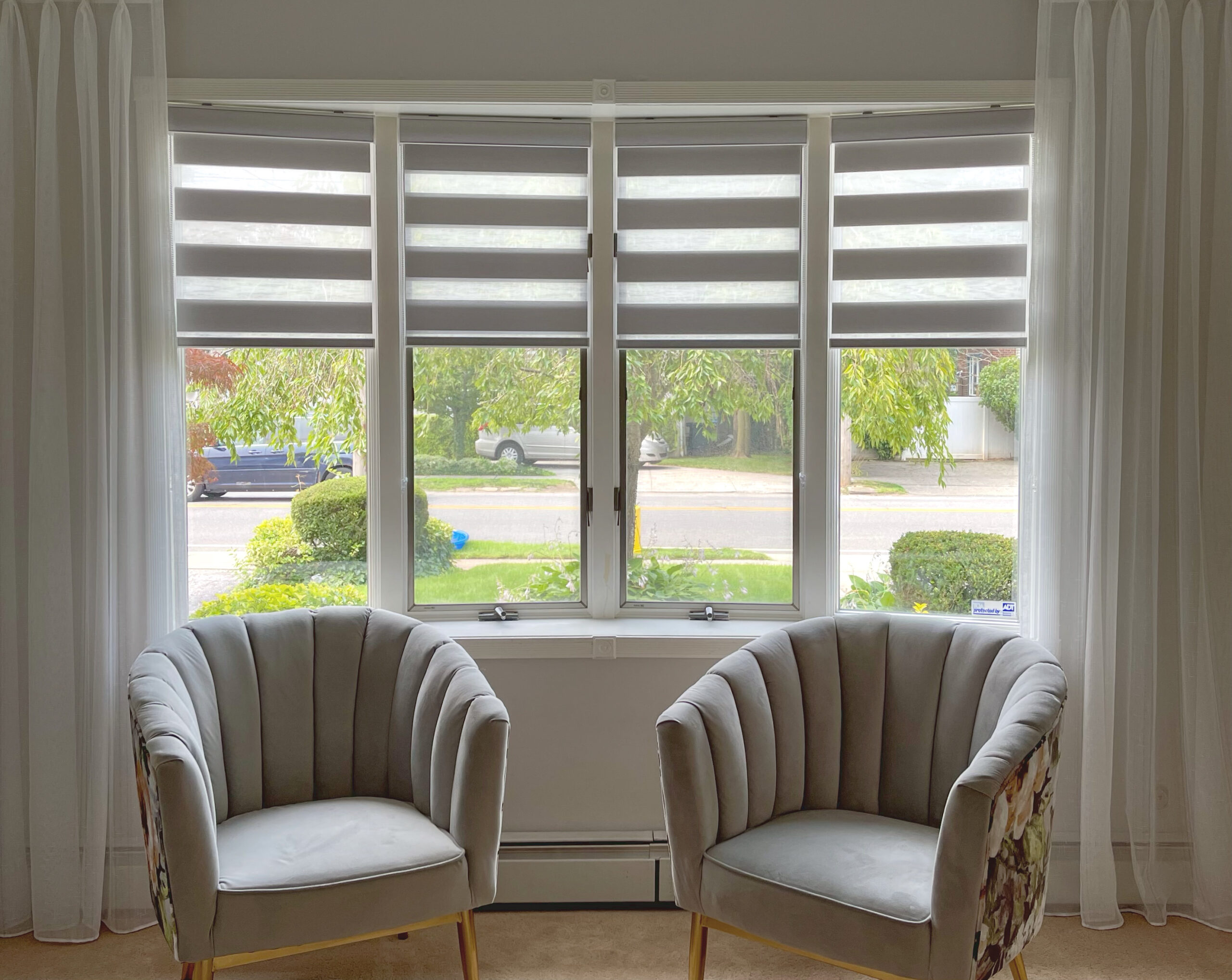
Blinds allow you to adjust the light without fully blocking it. You can brighten a room in the morning and reduce glare in the afternoon. This level of control makes them highly functional in living spaces, offices, and bedrooms.
The purpose of blinds in windows also includes protection. They shield furniture and flooring from harsh sunlight, which helps prevent fading and damage over time.
Light Control That Adapts to Your Day
One of the most valued benefits of window blinds is precise light control. Adjustable slats let you direct sunlight exactly where you want it. You don’t have to choose between a bright room and complete darkness.
This feature proves useful in rooms with large windows or direct sun exposure. Tilting the slats reduces glare on screens while keeping the space naturally lit. That balance improves comfort and productivity.
When people discuss window blinds benefits, light control often tops the list because it affects daily living in subtle but important ways.
Improved Privacy Without Sacrificing Style
Privacy matters in every home, especially in urban areas or street-facing rooms. Blinds offer privacy without making spaces feel closed off. You can angle the slats to block outside views while still allowing daylight inside.
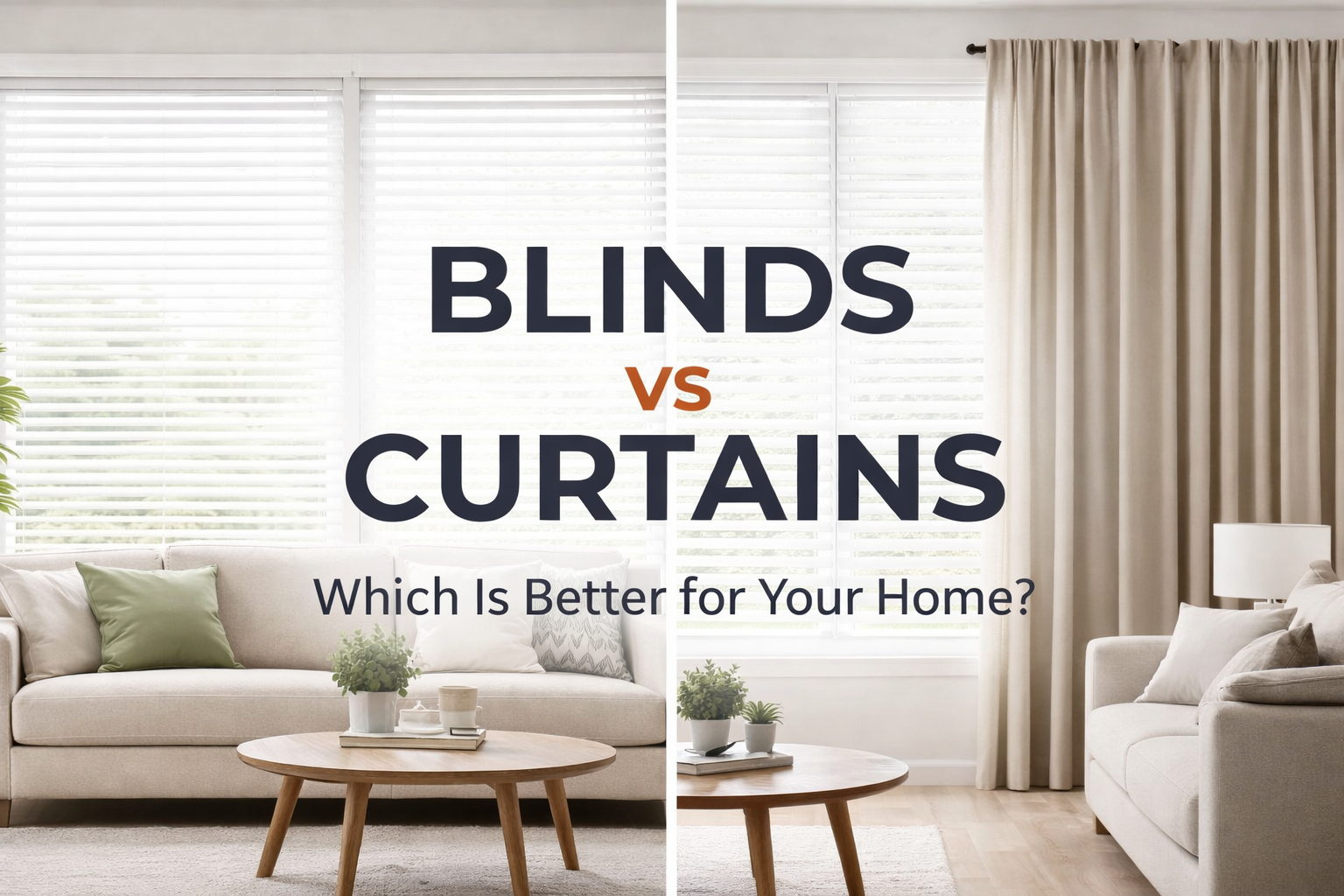
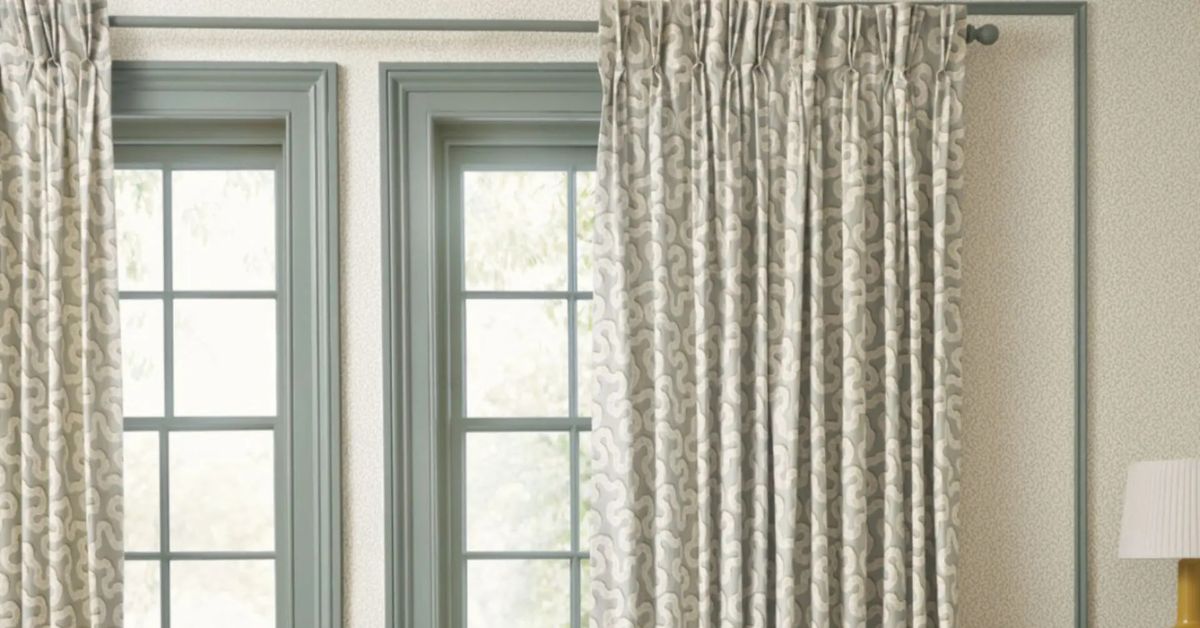
This is a key reason many homeowners see the advantages of blinds over heavier window coverings. Curtains often require closing fully to achieve privacy, which darkens the room. Blinds give you privacy and light at the same time.
Bedrooms, bathrooms, and home offices benefit the most from this flexibility.
A Clean and Modern Aesthetic
Blinds contribute to a clean, structured look that works well in contemporary interiors. Their streamlined design complements minimalist and modern décor styles. They sit neatly within the window frame, keeping walls and floors visually open.
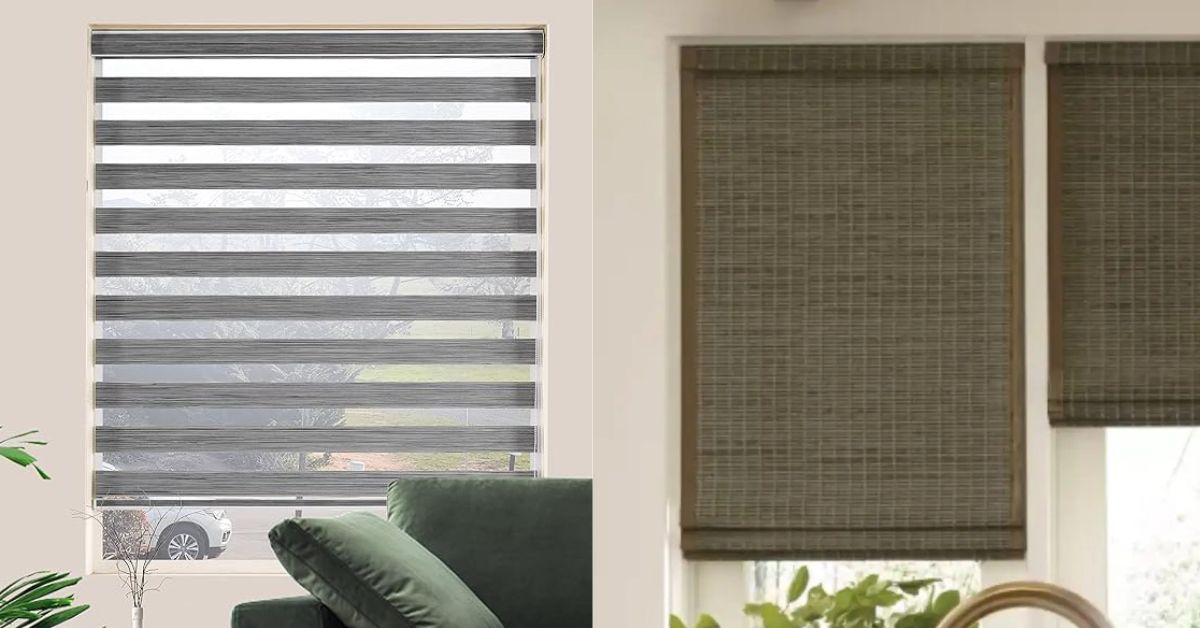
Many designers include blinds as part of modern window treatment ideas because of their versatility. Available in wood, faux wood, aluminum, and fabric, blinds adapt easily to different design themes.
This design flexibility is one of the lasting benefits of window blinds, especially for homeowners who value simplicity.
Energy Efficiency and Temperature Control
Blinds do more than manage light. They also help regulate indoor temperature. During warmer months, closing blinds reduces heat gain from direct sunlight. In cooler seasons, they add a layer of insulation near the window.
While they may not replace insulation entirely, this added barrier improves comfort and reduces strain on heating and cooling systems. Over time, that efficiency can lower energy costs.
These practical window blinds’ benefits make them a smart choice for homeowners focused on comfort and efficiency.
Low Maintenance and Long-Term Durability
Another major advantage of blinds is ease of maintenance. Most blinds require only light dusting or occasional wiping. Unlike fabric coverings, they don’t absorb odors or trap allergens easily.
Durable materials such as faux wood or aluminum resist warping and moisture damage. This makes blinds ideal for kitchens, bathrooms, and humid environments.
For homeowners seeking a low-effort solution, the advantages of blinds become clear. They offer long-term value with minimal upkeep.
Versatility Across Different Rooms
Blinds work well in almost every room. In living rooms, they control glare while keeping the space bright. In bedrooms, they support better sleep by limiting early morning light. In kitchens, moisture-resistant blinds perform reliably.
This adaptability supports the broader purpose of blinds in windows as a universal solution. Instead of choosing different coverings for each room, blinds provide consistency throughout the home.
Their versatility also makes them one of the best window treatments for homeowners who prefer a unified design approach.
Cost-Effective Without Compromising Quality
Blinds offer a wide range of pricing options. Whether you choose basic aluminum blinds or custom wood styles, there’s a solution for most budgets. Their durability further increases their value over time.
Compared to some fabric treatments, blinds often last longer with less maintenance. This combination of affordability and performance adds to the overall benefits of window blinds.
For homeowners balancing design and budget, blinds deliver strong returns.
Enhanced Safety for Modern Homes
Many modern blinds come with cordless or motorized options. These designs improve safety, especially in homes with children or pets. Removing dangling cords reduces risks while maintaining full functionality.
This evolution reflects how window blinds continue to grow with changing lifestyle needs. Safety and convenience now go hand in hand with style.
Supporting a Healthier Indoor Environment
Blinds contribute to better indoor air quality by resisting dust buildup and allergens. Fabric treatments can trap particles that affect sensitive individuals. Blinds, when cleaned regularly, reduce this concern.
They also allow better airflow when partially open, which supports natural ventilation. These subtle advantages of blinds support healthier living spaces.
Making the Right Choice for Your Home
Choosing the right window covering requires balancing appearance, function, and maintenance. Blinds perform well across all three areas. Their adaptability makes them suitable for both traditional and modern interiors.
Understanding the purpose of blinds in windows helps homeowners move beyond trends and focus on daily comfort. Blinds don’t just decorate a space. They actively improve how you use it.
Final Thoughts
The benefits of window blinds go far beyond simple window coverage. They provide flexible light control, enhance privacy, improve energy efficiency, and require minimal maintenance. Their clean design fits effortlessly into both classic and modern interiors, making them a reliable choice for long-term comfort.
When selected with care, blinds enhance how each room looks and functions. For homeowners seeking expert guidance and tailored solutions, Kluxe Window Treatment offers customized window blinds designed to match your style, space, and everyday needs. Choosing the right blinds with a trusted provider ensures lasting value and a polished finish throughout your home.
FAQs
1. What are the main benefits of window blinds?
The main benefits of window blinds include precise light control, improved privacy, easy maintenance, and a clean, modern appearance that suits most interiors.
2. What is the purpose of blinds in windows?
The purpose of blinds in windows is to regulate natural light, protect privacy, reduce glare, and help manage indoor temperature throughout the day.
3. Are window blinds better than curtains?
Window blinds work better for homes that need adjustable light control and low maintenance, while curtains are often chosen for softer aesthetics and added insulation.
4. What advantages do blinds offer for modern homes?
The advantages of blinds for modern homes include space-saving design, durability, compatibility with smart systems, and a streamlined look that fits contemporary interiors.
5. Do window blinds help with energy efficiency?
Yes, window blinds help improve energy efficiency by reducing heat gain in summer and limiting heat loss during cooler months when used correctly.